
Surfaces That Stay Green Without Irrigation
Artificial turf installations in North Port for yards where water restrictions, sandy soil, or maintenance costs outweigh the benefits of natural grass
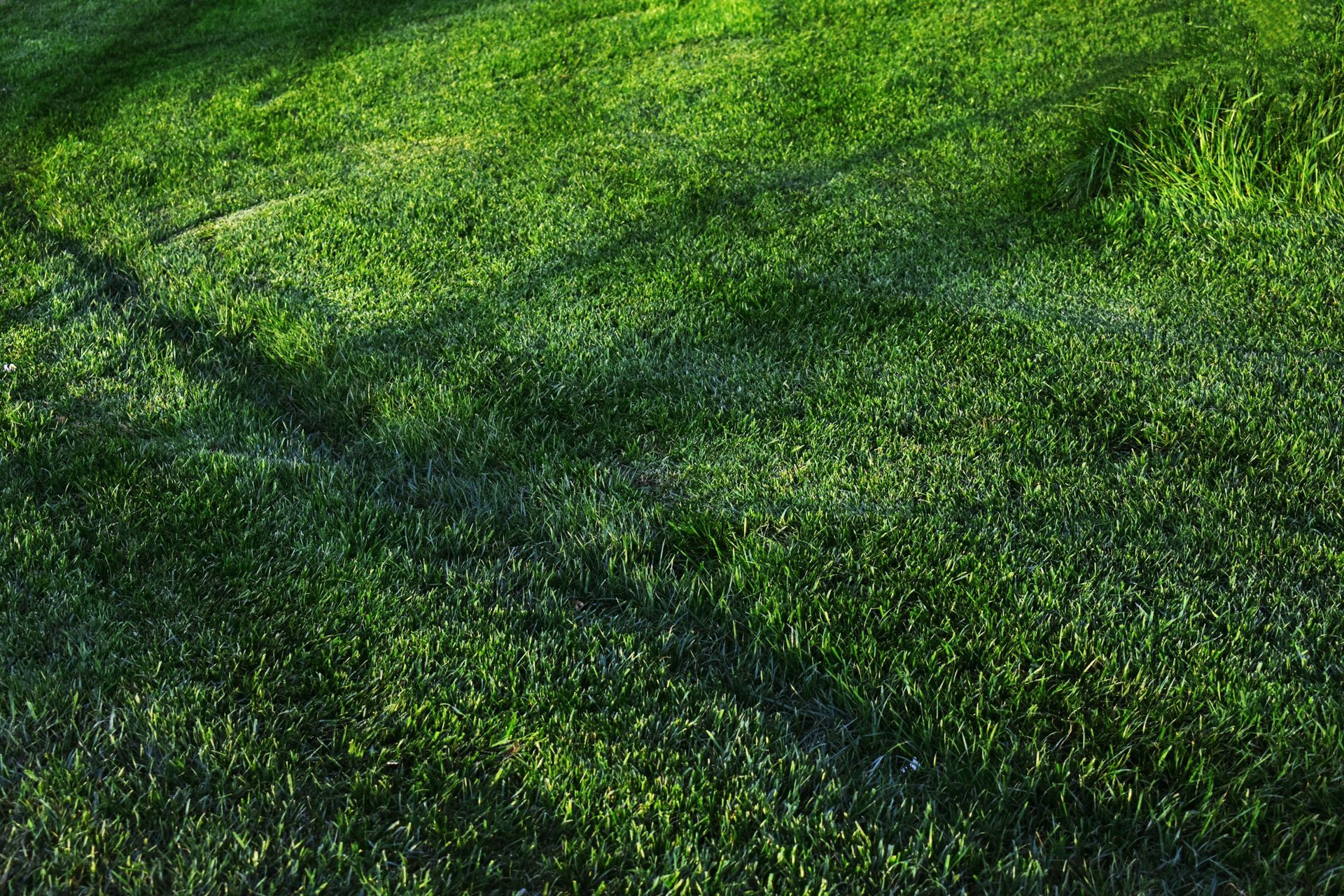
Sandy soil drains quickly and struggles to retain the moisture natural turf needs during dry stretches between Florida's summer storms. Artificial turf installations eliminate the cycle of watering, fertilizing, mowing, and reseeding that natural lawns demand in these conditions. J's Landscaping incorporates turf into landscape design where consistent appearance matters year-round, whether that involves front yard curb appeal, side yards with poor sun exposure, or play areas where natural grass wears down to bare soil under foot traffic.
Installation begins with removing existing grass and grading the base to prevent low spots where water would collect on the turf surface. A compacted aggregate base provides stable support, drainage layers channel rainwater downward into the soil below, and seams between turf rolls are joined to create continuous coverage without visible gaps.
Request a detailed estimate based on your yard's current grading and intended turf use.
What You Notice Once Turf Installation Is Finished
Base preparation determines whether turf remains level and firm underfoot or develops soft spots and wrinkles as the ground settles unevenly beneath it. The drainage layer moves water through the turf backing and into the aggregate base so that surfaces dry within hours after heavy rain rather than staying soggy. Turf color and blade length are selected based on whether the area will see foot traffic or serve as decorative groundcover, with denser, shorter blades holding up better in high-use zones.
After installation, your yard shows uniform green coverage regardless of seasonal rainfall patterns or shade from nearby structures. Bare patches, brown spots from heat stress, and muddy areas after storms no longer appear, and weekly mowing schedules end. The surface feels firm and even, without the soft or uneven texture that natural turf develops in areas with compacted soil or poor drainage.
Turf installation includes infill material that weighs down fibers and helps blades stand upright, edge trimming to fit the material precisely within bed borders or along hardscaping, and seam securing to prevent separation. Periodic rinsing removes dust and organic debris that accumulate on the surface, though no fertilization, pesticide application, or irrigation system operation is required.