
Root-Zone Protection
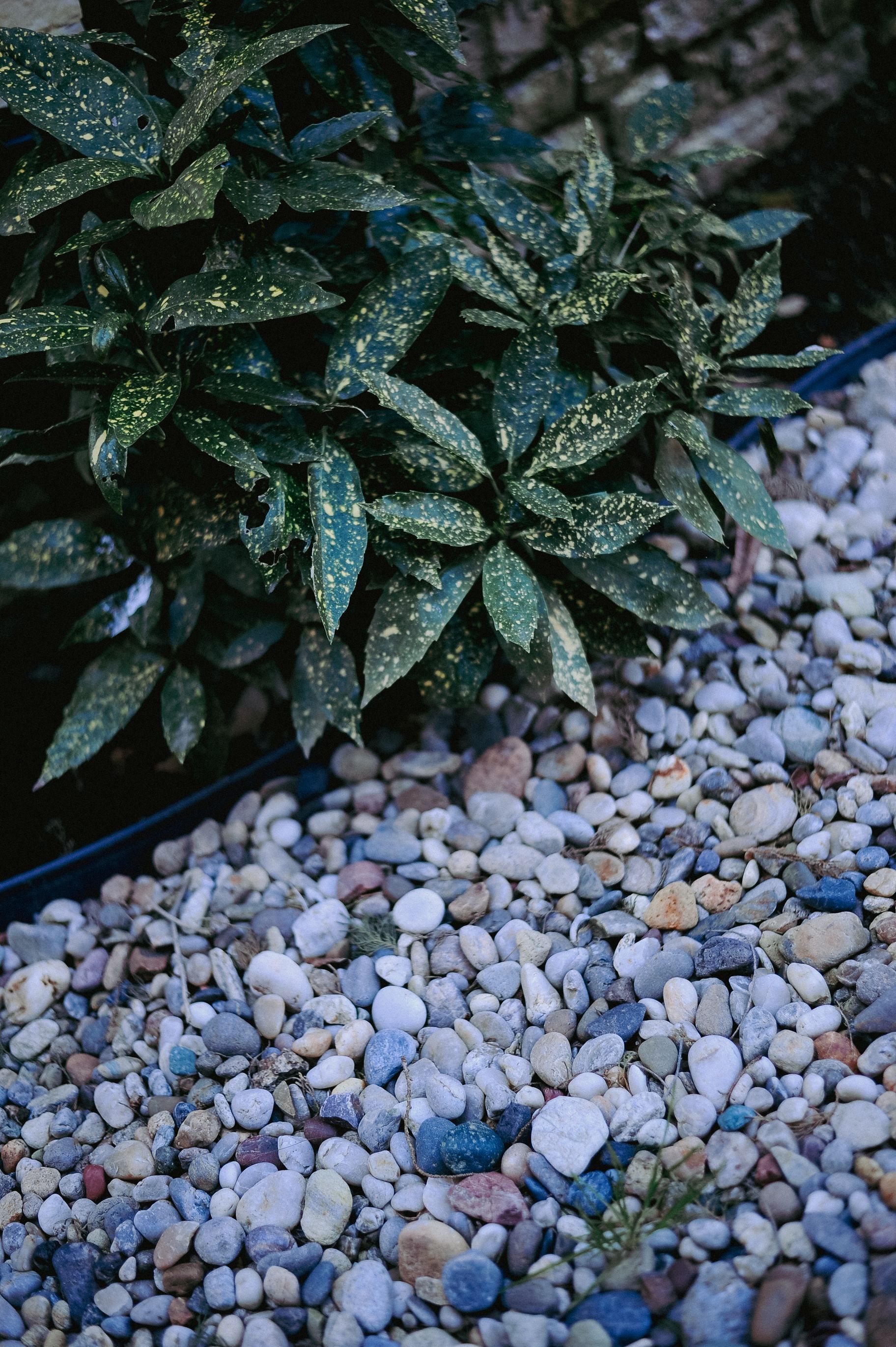
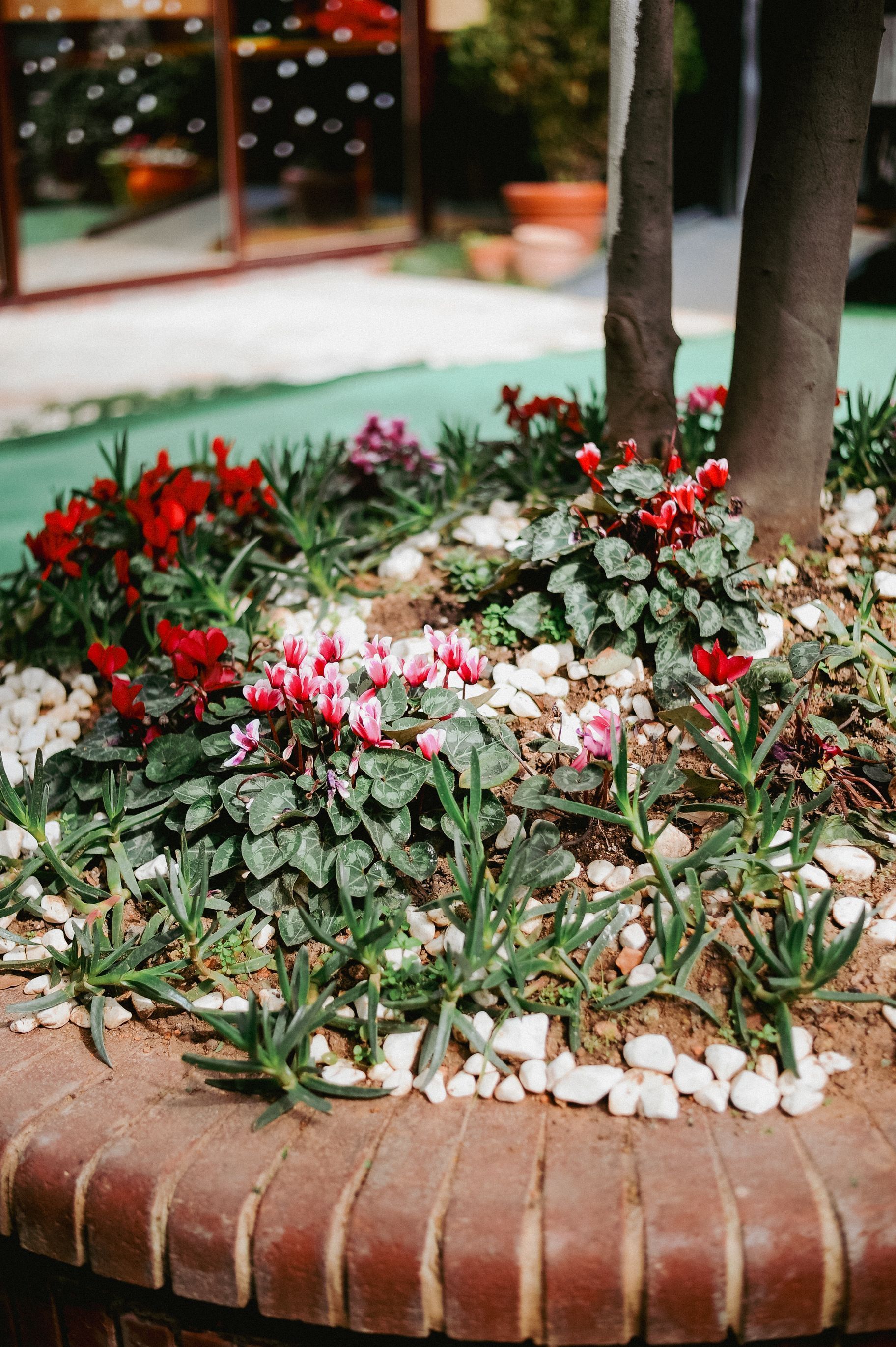
Rock helps regulate ground temperature, keeping plant roots insulated from intense afternoon heat. Because stones don't break down, they don't trap excessive, stagnant moisture against plant stems the way decomposing mulch can—significantly lowering the risk of root rot.
Advanced Drainage Control
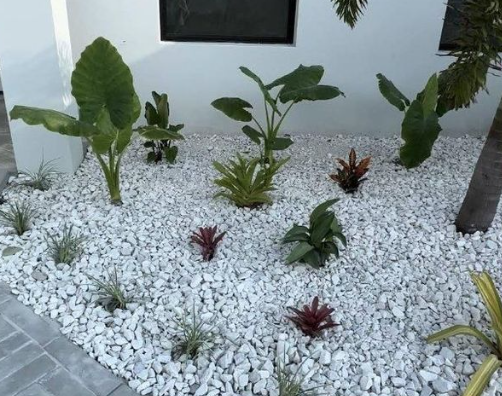
North Port's heavy summer storms can easily wash away standard wood mulch and erode bare soil. Heavy stone layers allow water to immediately percolate straight down into the ground, preventing puddles around your home's foundation and eliminating muddy dead zones.
Florida Heat Can't BE Beat
The use of rock as landscaping material and not only allows you to save time on your yard work, it also cuts down your water bill during peak heat seasons, and removes a bill for refreshing mulch in your beds.
Our Multi-Step Rock Installation Process
To guarantee your rock features look great year after year without shifting or disappearing into the dirt, we follow a strict, professional installation method:
Step 1: Surface Clearing & Grading
We remove all existing grass, weeds, and old debris, then precisely level the dirt so water naturally flows away from your home.
Step 3: Precision Layering
We spread your chosen stone to a depth of two to four inches (depending on the stone's size). This guarantees total coverage so no underlying fabric ever peeks through.
Step 2: Fabric Barrier Anchoring
We pin down our premium weed barrier, ensuring full coverage across the entire footprint of the bed or walkway.
Step 4: Budget & Scale Adjustments
Just like our plant services, we can engineer this to fit your budget. If a premium stone is tracking higher than your target price, we can strategically blend cost-effective base stones in large areas and save the premium decorative rocks for high-visibility focal points along your front walkways.
Designing for Contrast and Style
Your hardscaping should look like a natural extension of your home's architecture. We walk through a variety of textures and colors to match your home's style:
Color Matching vs. Making it Pop:
- We can choose stone colors that seamlessly match your home's trim and paint palette for a clean, cohesive look, or choose contrasting bright whites or deep slates to make your garden beds stand out.
Round vs. Jagged Textures:
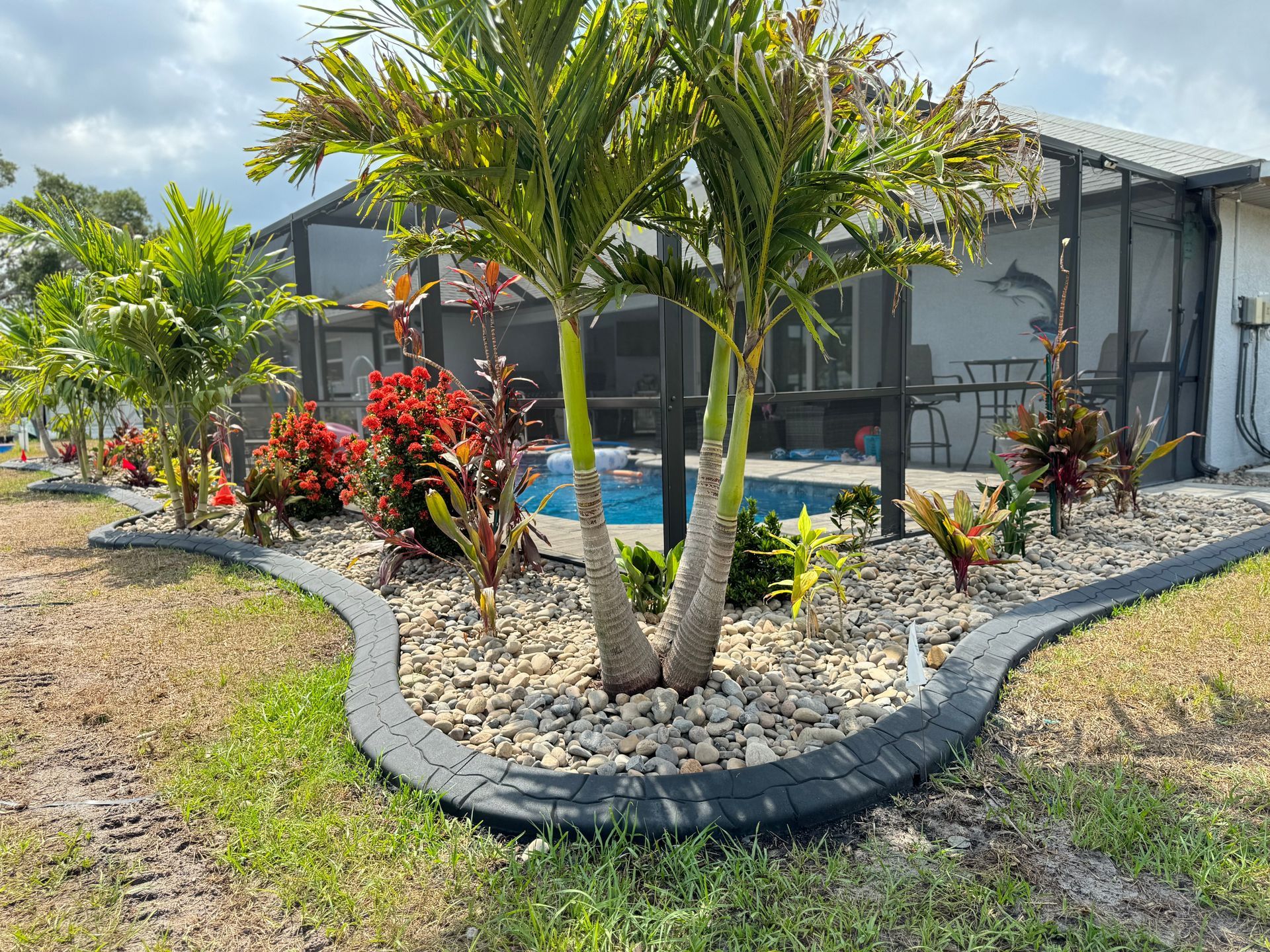
- Smooth, rounded river rocks offer a softer, organic, and tropical feel. Angular, jagged crushed stones lock tightly together, making them incredibly stable underfoot and giving your yard a crisp, modern geometric finish.
Premium Blends
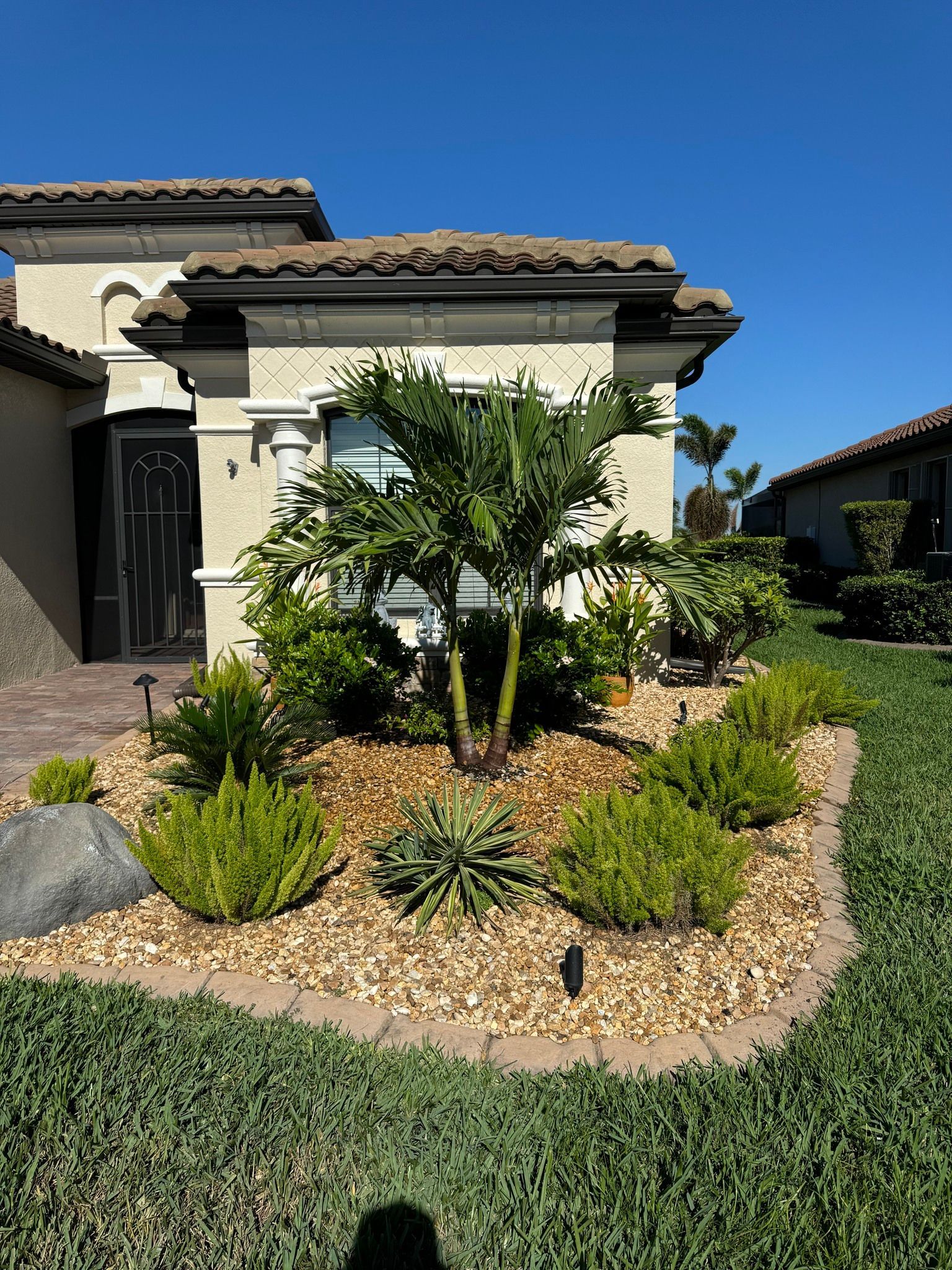
- We offer popular choices like "salt and pepper" granite blends, clean light tones, and deep, dark slate to perfectly complement any Florida exterior.
Once we’re done designing your new landscape, we’ll get to work making your vision a reality.
Our landscaping services include:
- Flower planting
- Plant selection and design
- River rock installations
- Rock garden installations
- Garden path installations
Once we’re done designing your new landscape, we’ll get to work making your vision a reality.
Our landscaping services include:
- Flower planting
- Plant selection and design
- River rock installations
- Rock garden installations
- Garden path installations