
Canopies Managed for Storm Preparedness
Tree Trimming in North Port for properties needing clearance from structures and wind resistance before hurricane season
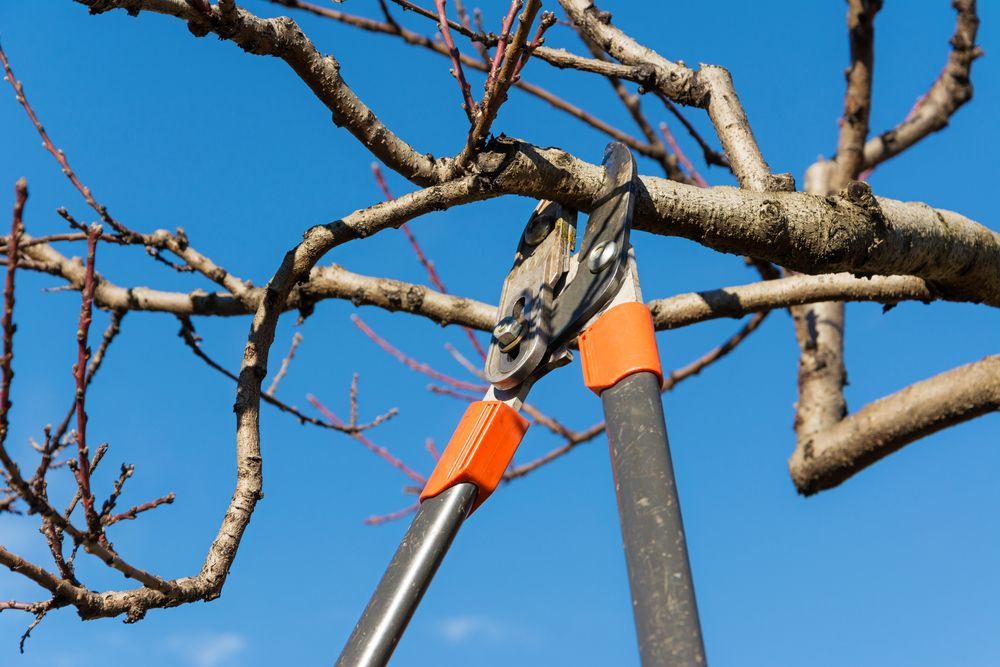
Branches touching roofs scrape shingles during wind events and drop leaves that clog gutters, while dense canopies catch more wind and increase the likelihood of limb failure during storms that regularly move through the North Port area between June and November. Proper trimming reduces wind resistance by selectively removing branches rather than topping trees, which causes weak regrowth and increases long-term hazard. J's Landscaping trims trees throughout North Port to maintain clearance from structures, remove deadwood, and thin canopies so wind moves through rather than pushing against a solid mass of foliage.
Tree trimming addresses branches that overhang roofs, rub against siding, or block sight lines at driveways. The work involves making cuts at proper angles and locations to avoid leaving stubs that rot or cutting so close to the trunk that bark tears, with larger limbs rigged down rather than dropped to prevent damage below.
Schedule a property evaluation to identify which trees need clearance or thinning before the next storm season.
What Changes After Trimming Completes
Cuts are made just outside the branch collar where the limb meets the trunk or parent branch, allowing the tree to seal the wound naturally without leaving stubs that invite decay. Crown thinning removes selected interior branches to reduce density while maintaining the tree's natural shape, and deadwood removal eliminates brittle limbs most likely to break during high winds. All cut branches are lowered by rope in areas where dropping them would damage plants or structures.
After trimming, clearance is restored between branches and your roof, gutters stay cleaner since fewer leaves fall directly into them, and the canopy allows wind to pass through rather than acting like a sail. Trees maintain their natural form rather than developing the clustered regrowth that results from topping cuts, and sunlight reaches understory plants that were previously shaded out by dense upper branches.
Timing affects regrowth rate, with trimming done before spring growth resulting in more vigorous sprouting compared to late-season work. Some species bleed sap heavily when cut during active growth, making late fall or winter preferable for those varieties, while storm-damaged limbs should be removed immediately regardless of season to prevent further damage.
Questions Before Starting Your Project
Homeowners typically want to understand how much can be removed safely and how trimming differs from other pruning approaches.
- What is the difference between trimming and topping? Trimming removes selected branches at proper locations to maintain tree health and structure, while topping cuts the main trunk or major limbs arbitrarily, causing stress and weak regrowth that creates more problems than it solves.
- How much of the canopy can be removed at once? Removing more than twenty-five percent of the living canopy in a single session stresses the tree and triggers excessive sprouting, so larger reduction projects may require work spread across multiple seasons.
- When should trees be trimmed in North Port's climate? Late winter before spring growth begins allows wounds to seal quickly as the tree enters active growth, though hazard removal and storm damage should be addressed immediately regardless of timing.
- What tools indicate proper trimming work? Sharp bypass pruners and saws create clean cuts that seal faster than tears from dull blades or improper tools, and pole saws allow reaching higher branches without climbing spikes that damage trunk bark.
- How does trimming make trees safer during storms? Thinning the canopy reduces wind resistance so gusts pass through rather than pushing against dense foliage, and removing deadwood eliminates brittle branches most likely to break and cause damage when winds increase.
J's Landscaping evaluates tree health and structure before recommending specific cuts, focusing on long-term tree stability rather than just immediate clearance. Arrange an on-site consultation to review your trees and discuss trimming priorities based on storm exposure and structure proximity.