
Clearing Problem Trees Without Yard Damage
Tree Removal in North Port for properties with storm-damaged, dead, or hazardous trees threatening structures and utility lines
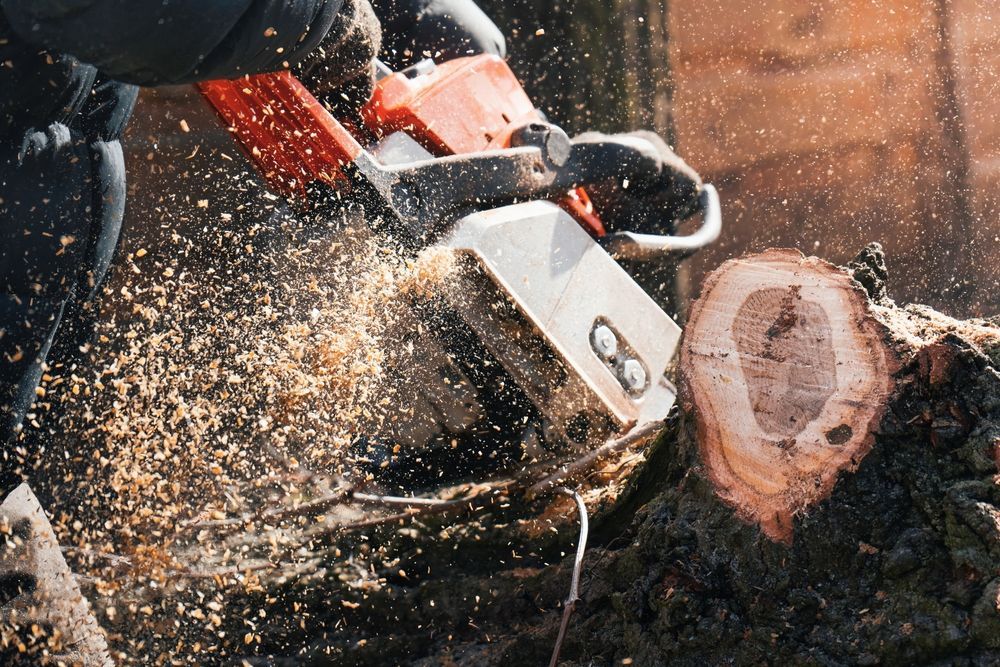
Trees growing too close to homes or leaning after storm damage create risk during the hurricane season that defines summer weather patterns in this part of Florida. Dead trees lose limbs unpredictably, and root systems from certain species damage foundations or septic drain fields as they expand. J's Landscaping removes trees from North Port properties where position, condition, or species make keeping them more problematic than removing them, using rigging and sectional cutting to control where wood lands as it comes down.
Tree removal involves cutting the tree in sections from top to bottom when structures or landscape features limit where it can fall, or felling it in one piece when space allows. The stump is either ground below soil level or cut flush depending on whether you're replanting, installing hardscape, or leaving the area as turf.
Request a detailed estimate based on tree size, location, and site access limitations.
What Tree Removal Actually Accomplishes
Sectional removal starts with upper branches, lowering each piece by rope to avoid impact damage to nearby plants, fences, or hardscape. The trunk is cut in manageable sections until only the stump remains, and all wood debris is either hauled away or processed into mulch depending on what you need. Stump grinding removes the root crown and upper lateral roots, leaving wood chips that can be used as bed mulch or hauled off if you're excavating for construction.
Once complete, the hazard is eliminated and your property no longer has limbs hanging over the roof or roots lifting sidewalk sections. Sunlight reaches areas that were previously shaded, allowing you to establish turf or plant species that couldn't survive under the canopy, and storm cleanup becomes less of a concern when high winds arrive.
Access affects the removal method, with tight spaces requiring smaller equipment and more hand work compared to open yard areas where larger grinders and loaders operate efficiently. Some trees require notifying utility companies before removal if branches are entangled with overhead lines, adding coordination time before work starts.
Common Questions About This Service
Property owners in North Port frequently ask about timing, stump handling, and what happens to the wood after the tree comes down.
- What determines whether a tree should be removed rather than trimmed? Significant lean toward structures, more than half the canopy dead, root damage affecting stability, or trunk decay that compromises structural integrity all indicate removal rather than maintenance pruning.
- How is the stump handled after the tree is cut? Grinding removes the stump six to twelve inches below grade using a rotating cutting wheel, leaving wood chips in the resulting hole that settle over time as they decompose.
- When is tree removal restricted in North Port? Some protected species require permits before removal, and subdivisions may have covenants restricting when and what can be removed, so checking local requirements prevents compliance issues.
- What happens to the wood from removed trees? Trunk sections can be cut to firewood length and stacked on site, hauled away as part of the service, or chipped into mulch depending on tree species and what you want done with the material.
- How does removal affect the surrounding landscape? Careful rigging prevents damage to nearby plants and structures, but root zones from removed trees may leave depressions as roots decay, and soil often requires amending before replanting since tree roots depleted available nutrients.
J's Landscaping assesses tree condition and site constraints before recommending removal methods and equipment needs. Schedule a property evaluation to discuss specific trees and receive removal cost estimates based on actual site conditions.