Building The Layers
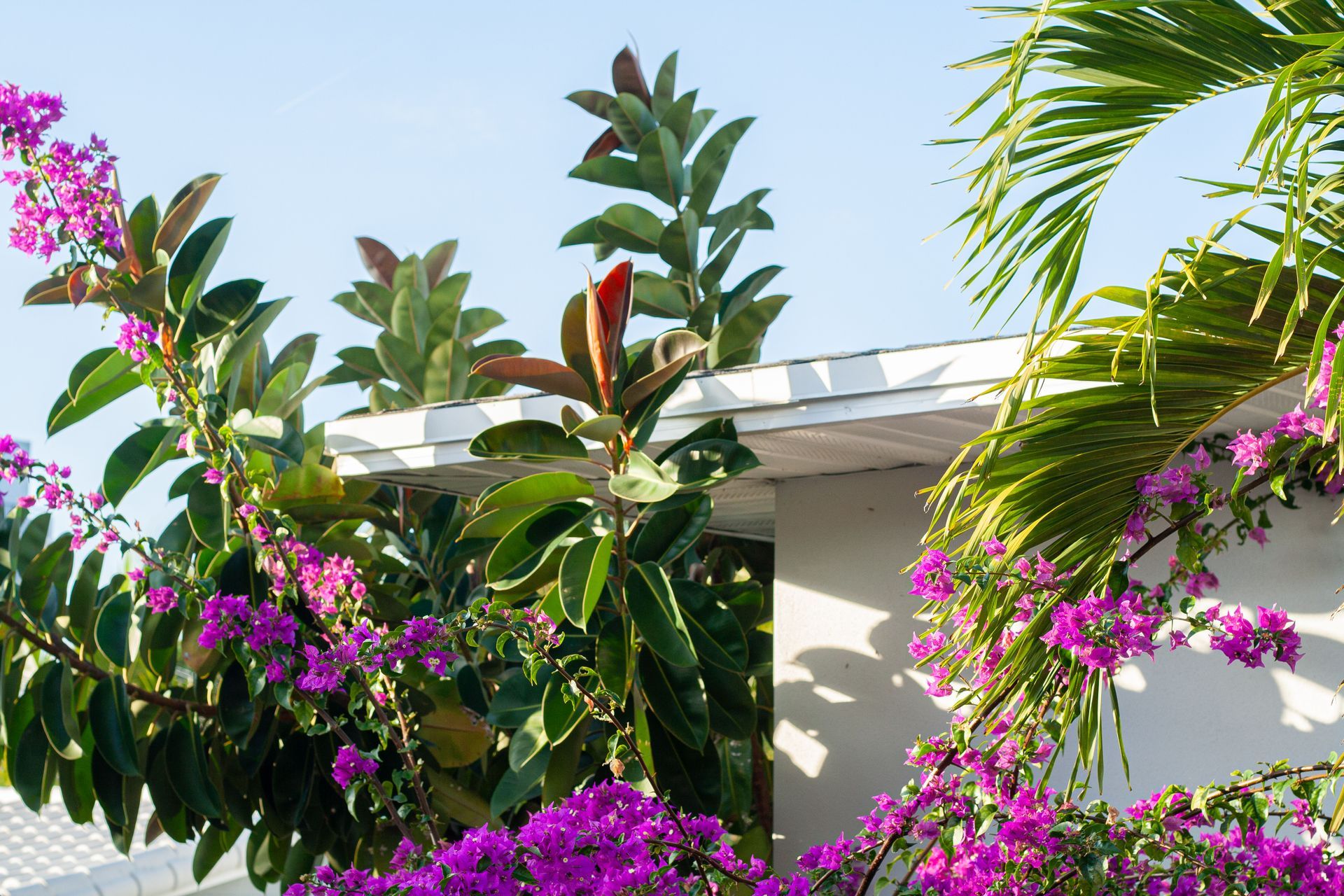
We arrange your beds like a staircase. We put tall "anchor" plants in the back to give the yard depth, medium shrubs in the middle to hide house foundations, and shorter flowering accents and ground covers right along the edges of your walkways.
Plants That Help Each Other
By pairing deep-rooted plants with shallow-rooted ground covers, they don't fight over nutrients or water. The ground cover acts like a natural shield, keeping the soil moist and stopping weeds from popping up.
Year-Round Color
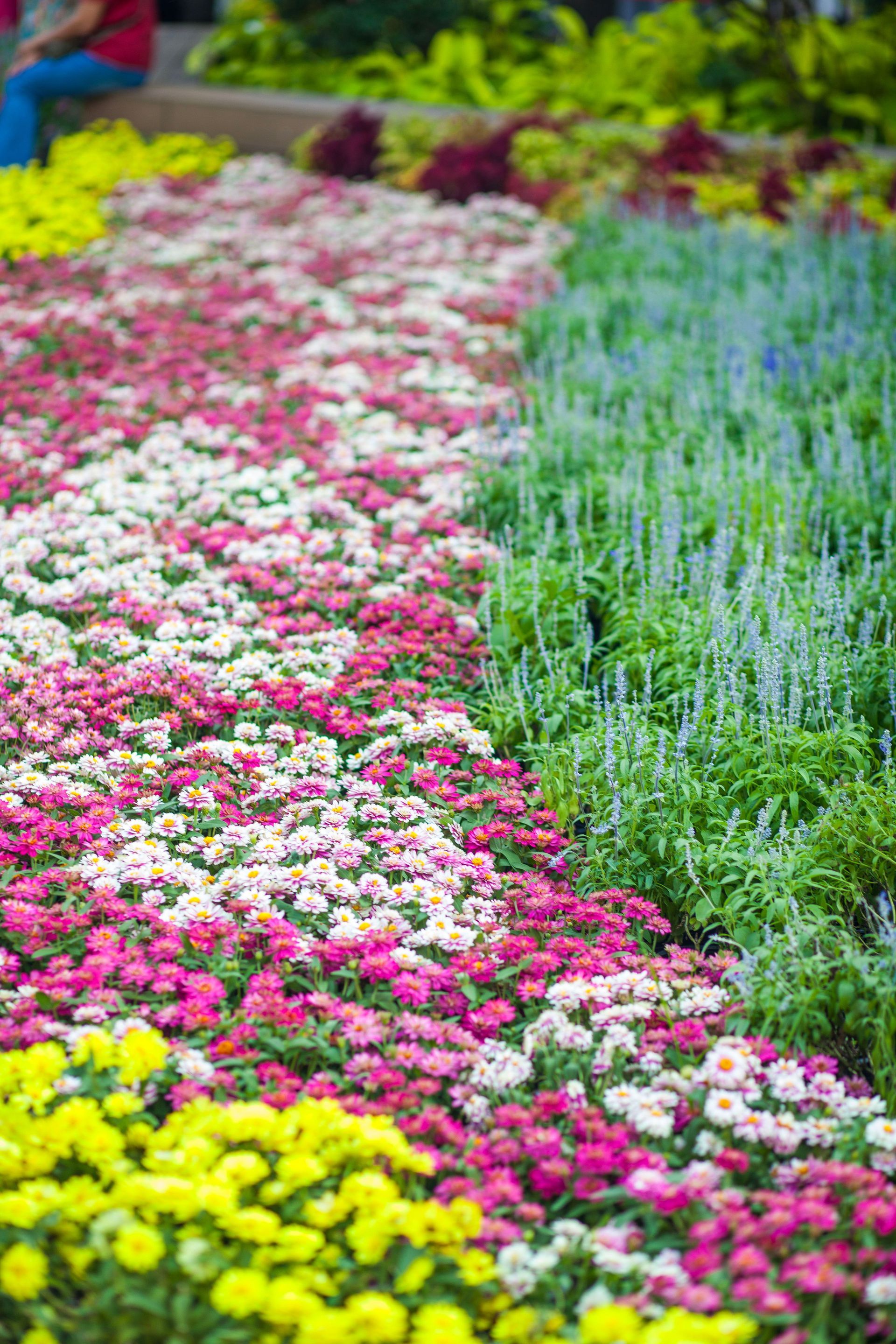
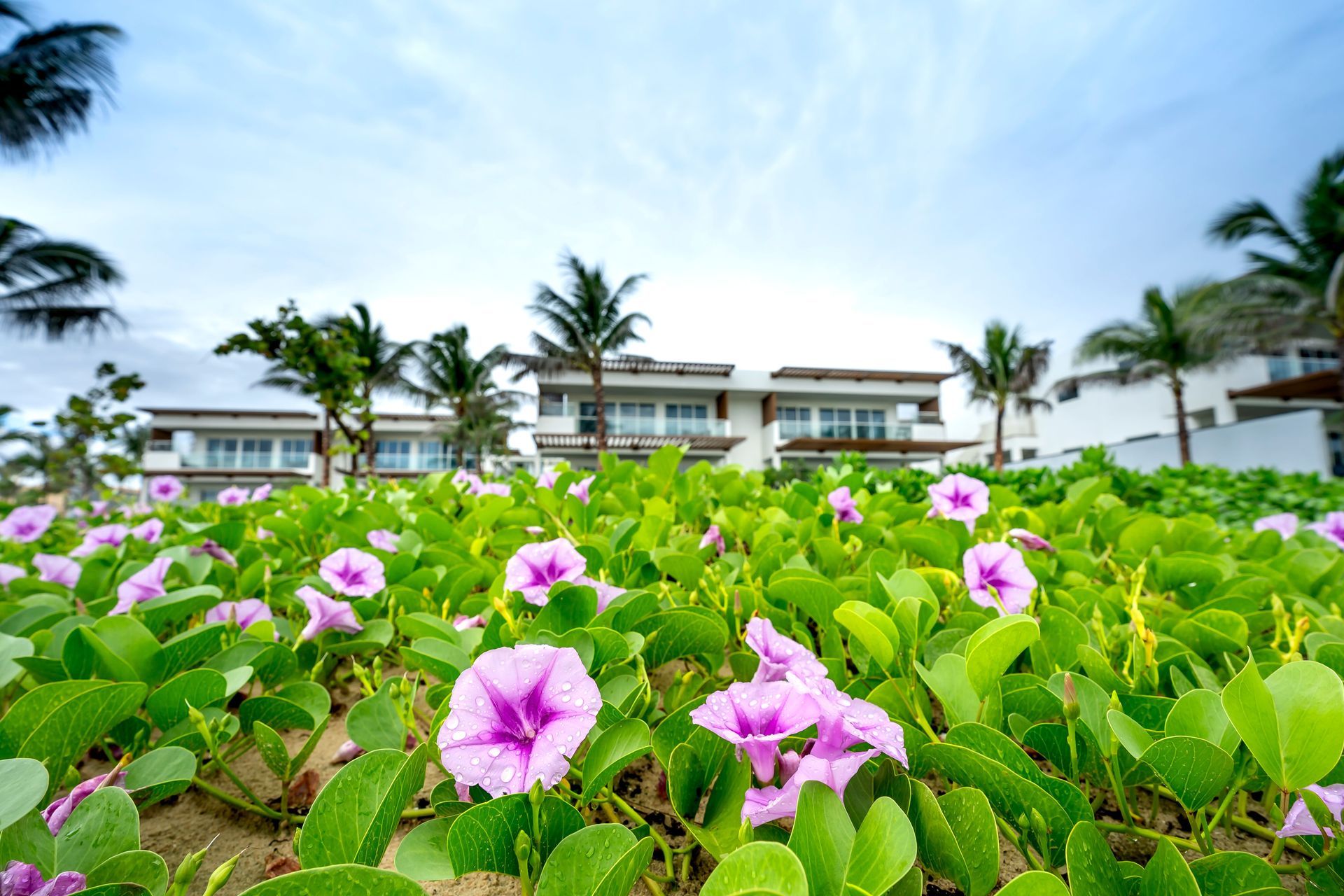
We mix different types of flowers so that as soon as one type finishes blooming, the next one is just getting started. This keeps your yard colorful through every season instead of looking empty half the year.
Custom Themes Tailored to Your Style
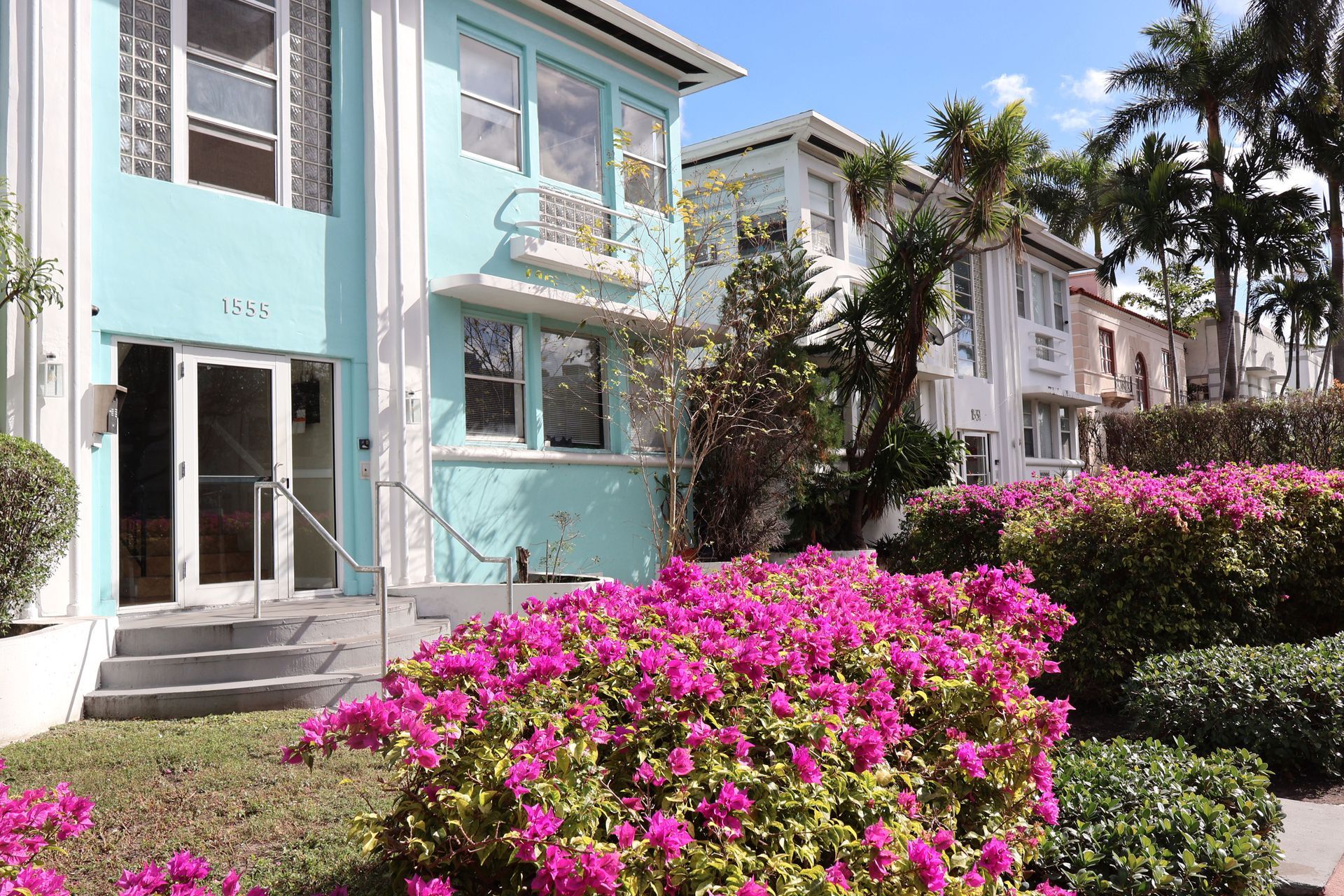
Your landscaping should look like a natural extension of your home. We sit down with you to choose a theme and color scheme that matches your personality and budget
Tropical Oasis
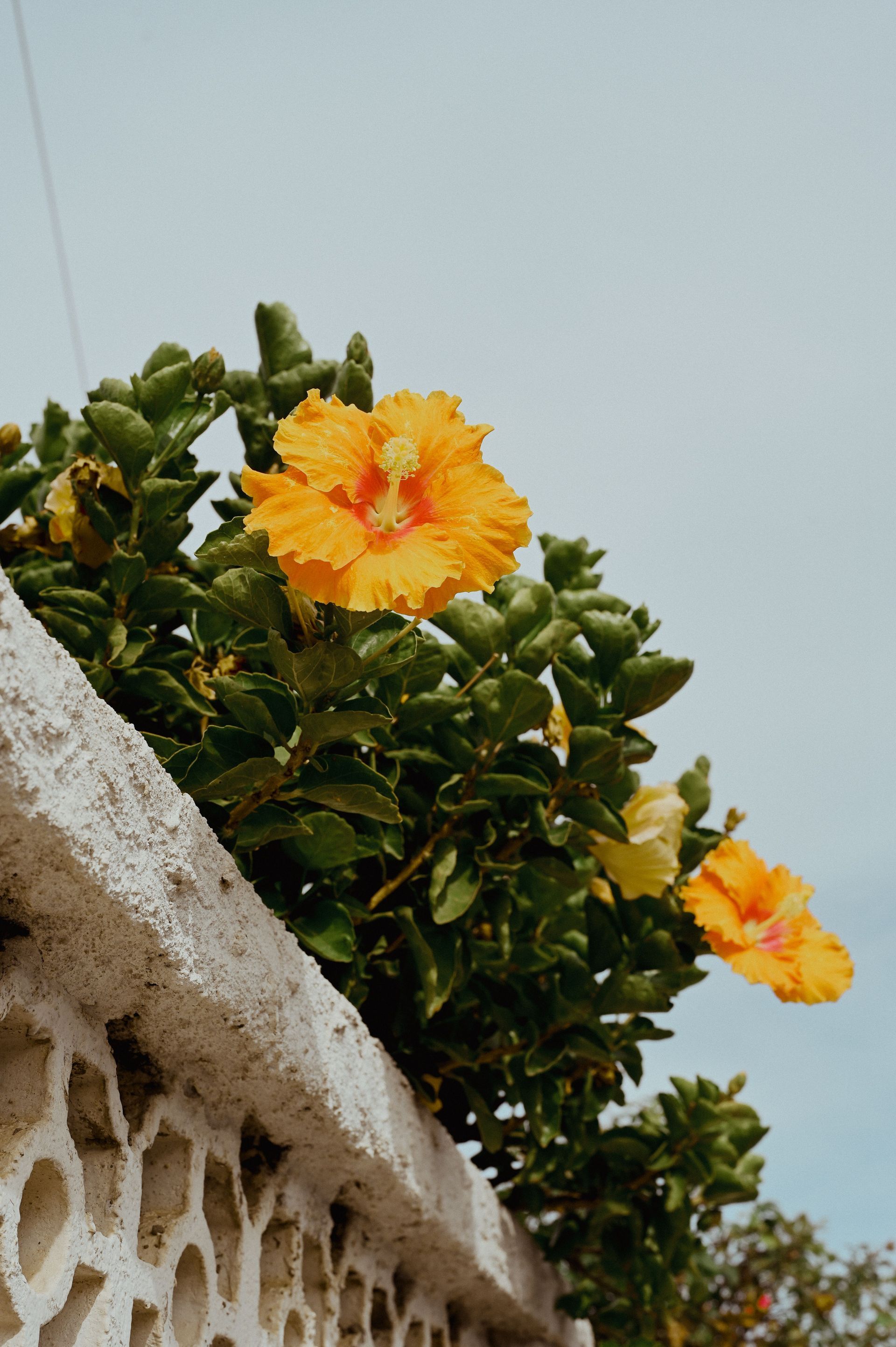
Think big, bold leaves, lush greenery, and bright, fiery colors (like rich reds, hot oranges, and vibrant yellows) for a resort-style look.
Zen & Minimalist
Peaceful, clean, and modern. We focus on neat shapes, open spaces, and calming shades of green, accented with simple white or cool-toned flowers.
Classic Floridian
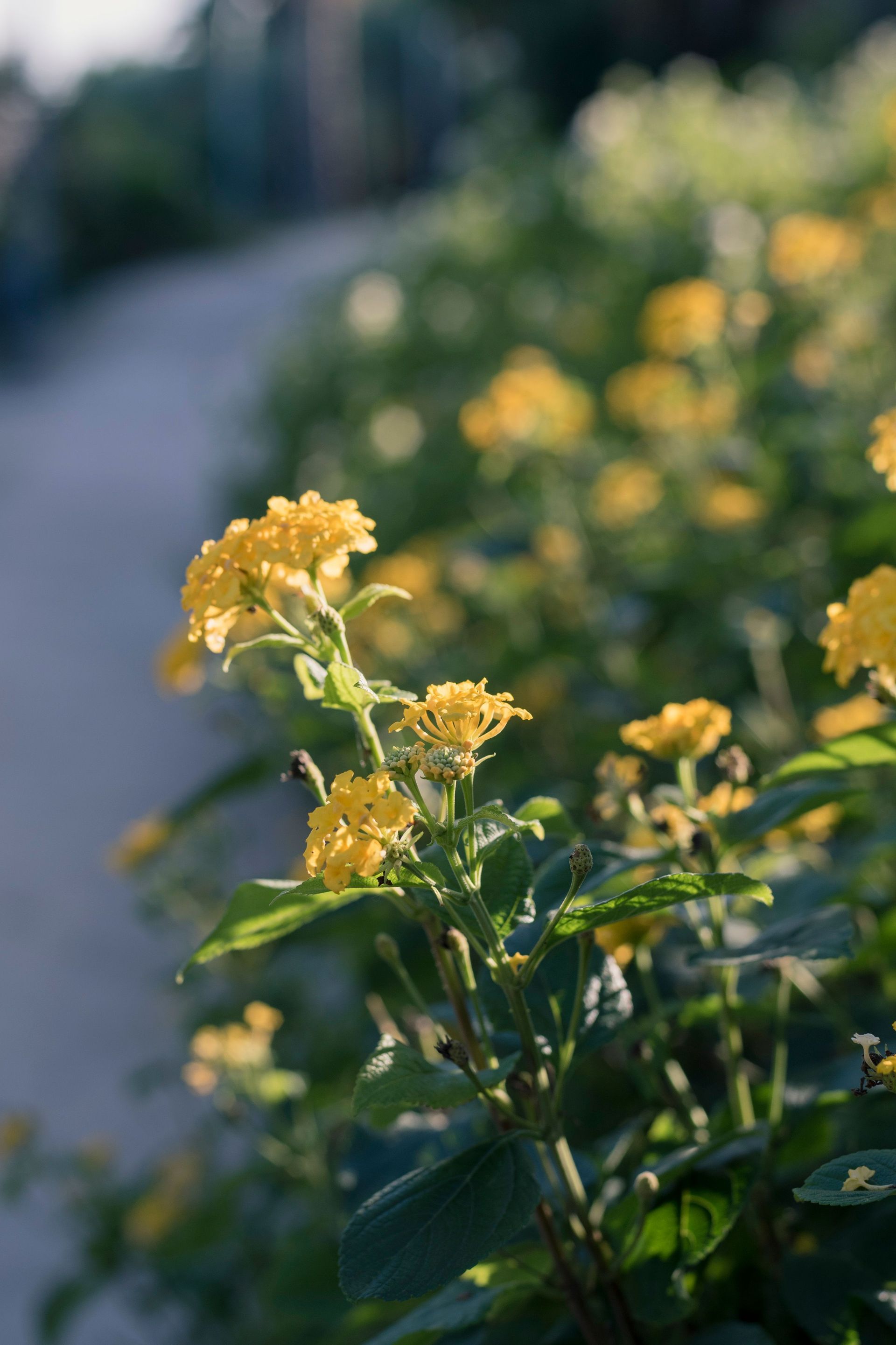
A timeless, clean look using dependable plants that love our climate. This theme balances soft pastel flowers with rich, green backdrops that look great year-round with very little maintenance.
Playful & Dynamic
Fun, flowing garden beds with unique curving lines and a wide variety of contrasting colors that bring a ton of energy and curb appeal to your front yard.
Working Together to Fit Your Budget
We build your design with you right on your property. During our in-person consultation, we can look at the views from your windows and patio, adjusting the layout on the fly.
If a design is heading over your target budget, we don't skimp on quality. Instead, we use smart sizing substitutions. For example, we might use smaller, cost-effective 1-to-3 gallon plants for the areas that grow quickly, and invest your budget into a few mature 25-to-30 gallon statement plants for an instant impact. You get the exact look you want at a price you are comfortable with.
Once we’re done designing your new landscape, we’ll get to work making your vision a reality.
Our landscaping services include:
- Flower planting
- Plant selection and design
- River rock installations
- Rock garden installations
- Garden path installations