
Beds That Stay Defined Through Growing Seasons
Mulching and Edging in North Port for landscape beds requiring moisture retention and clear separation from turf areas
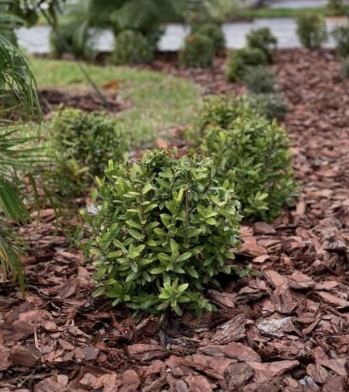
Mulch breaks down quickly in Florida's heat and humidity, requiring replacement to maintain the insulation layer that keeps plant roots cooler and reduces how often you water during dry spells. J's Landscaping applies fresh mulch and redefines bed edges throughout North Port properties where grass creeps into planting areas and previous mulch has decomposed into soil. Clean edges and adequate mulch depth change how your landscape looks and how much maintenance it requires between service visits.
Edging creates a physical barrier where lawn meets bed, cutting through turf roots and removing the soil lip that forms along bed perimeters. Mulch applied at two to three inches deep suppresses weeds, moderates soil temperature swings, and breaks down gradually to add organic matter without smothering plant roots.
Arrange an on-site consultation to assess your current bed conditions and calculate mulch volume requirements..
How Mulching and Edging Address Landscape Maintenance
The edging process involves cutting a clean line with a blade edger or spade, removing grass and roots that extend into the bed, and creating a shallow trench that defines the boundary. Mulch is spread evenly across the bed surface after removing old material that has matted down or developed fungal growth, keeping the layer thick enough to block light from reaching weed seeds but not so deep that it holds excess moisture against plant stems.
After service, bed lines appear crisp and grass stops sending runners into planted areas, reducing how often you need to hand-pull invading turf. The fresh mulch layer keeps soil moisture more consistent during dry periods, and weeds that do emerge pull out more easily from the loose material compared to bare compacted soil.
Mulch type affects how quickly it decomposes, with pine bark nuggets lasting longer than shredded hardwood but costing more per yard. Darker mulch colors fade faster under direct sun exposure, while natural wood tones maintain appearance longer but provide the same functional benefits regardless of color.
Answers to Frequent Service Questions
Homeowners in North Port typically want to know how often mulch needs refreshing and what maintains the edge definition between services.
- How often does mulch need replacement in this climate? Most beds require fresh mulch annually, since Florida's heat and moisture cause organic mulch to decompose faster than in cooler regions, typically losing half its volume within twelve months.
- What keeps grass from growing back into beds after edging? The trench created by edging removes the root system along the bed line, but grass will eventually re-establish if edges aren't maintained at least twice per season.
- Why does mulch sometimes develop white fungal growth? Fungi naturally break down organic matter and typically appear during humid periods, causing no harm to plants and disappearing once conditions dry out or the affected mulch is turned over.
- When is the best time to apply fresh mulch? Late spring after beds are weeded and pruned allows mulch to stay in place through the wet summer months, though mulch can be applied any time beds look depleted.
- What depth of mulch actually prevents weeds? Two to three inches blocks light from reaching most weed seeds while allowing water and air to reach plant roots, whereas deeper layers can stay too wet and shallower layers let weeds germinate.
J's Landscaping schedules mulching based on your bed size and existing material condition, applying only what's needed to reach proper depth. Contact us to add your property to the seasonal mulching schedule for consistent bed maintenance.